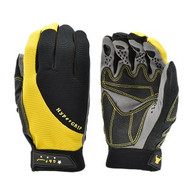
Grip Confidently: The Value of Slip-Resistant Gloves
Jul 28th 2023
Grip is easy to take for granted — until a wet pipe, an oily part, or a smooth panel slips through your hands. Slip-resistant gloves solve that problem with engineered palm coatings that turn a fumble into a firm hold. Understanding how they work makes it simple to pick the right pair.
How grip coatings work
A slip-resistant glove starts with a knit shell for comfort and fit, then adds a coating on the palm and fingers that channels away liquid and bites into the surface you are holding. The coating does the gripping; the shell keeps the glove breathable and flexible.
Matching the coating to the conditions
- Latex crinkle: excellent all-around wet and dry grip at a friendly price — a warehouse and construction favorite.
- Foam nitrile: grips oily and greasy parts well while resisting punctures — ideal for automotive and manufacturing.
- Sandy or micro-foam nitrile: maximum bite in wet and muddy conditions.
- Polyurethane (PU): a thin, precise coating for dry, detailed handling and electronics assembly.
Grip that improves safety and output
A confident grip is not only safer — it is faster. When you are not constantly re-adjusting your hold, you handle tools and materials more efficiently and with less hand fatigue. Better grip also means fewer dropped parts and fewer pinch and crush incidents.
Fit matters too
Even the best coating underperforms on a loose glove. A snug fit keeps the coated palm in full contact with what you are holding, so choose the size that hugs your hand without pinching.
Find your grip
Match the coating to your materials — wet, oily, or dry — and pick a snug fit. Browse the coated, slip-resistant options in our work gloves collection at WorkGlovesDepot and grip confidently on every job.