Cut Resistance Science: How Knit Sleeves Protect You
May 29th 2026
On almost any job that involves blades, sheet metal, glass, or sharp edges, a cut is the injury waiting to happen. Cut-resistant gloves and sleeves are engineered to stop that from happening — and understanding how they work makes it much easier to choose the right level of protection.
How cut-resistant gloves actually work
Ordinary cotton or leather slows a blade down, but true cut resistance comes from high-performance yarns knitted into the glove or sleeve. The most common are HPPE (high-performance polyethylene), aramid fibers such as Kevlar, and blends reinforced with fine steel or glass fiber. These fibers are far harder to sever than standard textiles, so a slip of the knife slides across the surface instead of cutting through to skin.
Because the protection is built into the yarn, a thin, comfortable glove can deliver serious cut resistance without the bulk of old-fashioned metal-mesh gloves. Many are then dipped in a nitrile or polyurethane coating that adds grip and abrasion resistance while keeping the fingers flexible.
Understanding ANSI cut levels
In North America, cut resistance is graded by the ANSI/ISEA 105 standard on a scale from A1 (light cut protection) to A9 (the highest). The higher the number, the more force a blade needs to cut through:
- A1–A2: light-duty tasks — general assembly, packaging, and material handling.
- A3–A4: medium-duty work with light glass or metal handling.
- A5–A6: heavier metal stamping, glass, and sheet-metal work.
- A7–A9: severe cut hazards such as blade changing and heavy glass or metal fabrication.
Matching the level to the hazard matters: too little protection leaves you exposed, while too much can reduce the dexterity you need to work safely. Our cut- and heat-resistant gloves are labeled by ANSI level so you can pick with confidence.
Grip, comfort, and the right coating
Cut resistance is only half the story. A foam-nitrile coating grips oily parts, a sandy-nitrile finish bites into rough or wet materials, and an uncoated knit stays cool and breathable for dry handling. Choose the coating for the surfaces you handle most, and make sure the glove fits snugly — a loose glove reduces both grip and safety.
Sleeves for the forearm
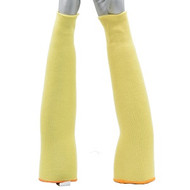
Hands are not the only area at risk. Cut-resistant knit sleeves protect the forearm from the same blades and edges, and they pair with gloves for full coverage on glass, metal, and blade-handling jobs.
Choosing the right protection
Start with the hazard, then the level, then the grip. If you are unsure, size up on cut level for blade-heavy work and prioritize a coating that matches your materials. Explore the full range of cut-resistant work gloves at WorkGlovesDepot to find the ANSI level, coating, and fit that keep your hands protected without slowing you down.