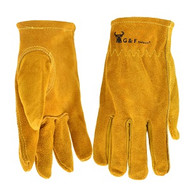
Choosing Genuine Leather Work Gloves: The Benefits
May 29th 2026
Genuine leather has protected working hands for generations, and at WorkGlovesDepot — a family-owned safety supplier since 1985 — it is still one of the materials we trust most for demanding work. If you are weighing leather against synthetic or coated gloves, here is a practical look at what genuine leather work gloves do well, the leathers you will encounter, and how to pick the right pair for the job.
Why choose genuine leather work gloves?
Leather earns its place on the job because it combines protection, durability, and comfort in a way few synthetic materials match. The benefits that matter most on a real work site are:
- Abrasion and puncture resistance. A full-grain hide shrugs off rough lumber, sheet metal edges, wire, and concrete far better than a thin knit or cotton glove, which means fewer nicks and a longer service life.
- Heat and spark resistance. Leather naturally resists sparks, hot surfaces, and radiant heat, which is why welders, foundry workers, and anyone handling hot materials reach for it. Pair it with our cut- and heat-resistant gloves when the job calls for a higher thermal rating.
- Durability and long-term value. A quality leather glove outlasts several pairs of disposable or fabric gloves, so the cost per wear is often lower even though the up-front price is higher.
- Secure grip. Leather grips dry, oily, and rough materials without the slickness of bare synthetics, giving you better control of tools and loads.
- Comfort that improves with use. Leather breaks in and molds to your hand over time, so a glove that feels stiff on day one becomes a custom fit within a week of steady work.
Types of leather and where each one shines
Not all leather is the same. Knowing the hide and the cut helps you match the glove to the task:
- Cowhide is the all-rounder — tough, durable, and comfortable for construction, warehouse, and general labor.
- Goatskin is thin yet remarkably strong, offering excellent dexterity for jobs that need finger feel.
- Pigskin breathes well and stays supple after getting wet and drying, making it a good choice for damp or outdoor work.
- Deerskin is the softest and most flexible, prized where fine control matters.
You will also see grain leather (the smooth outer layer, more durable and water-resistant) and split leather (the suede-like inner layer, common on economical drivers and welding gloves). Grain gloves last longer and offer better dexterity; split-leather gloves are budget-friendly and great for heat-heavy tasks.
Matching the glove to the job
For general construction and material handling, a grain cowhide driver or leather-palm glove balances protection and feel. For welding and hot work, a split-cowhide welding glove with a long cuff shields the wrist and forearm. For ranch, landscaping, and agriculture, a supple goatskin or pigskin glove keeps hands protected without sacrificing dexterity. Browse the full selection of genuine leather work gloves to compare styles, cuffs, and lining options.
Caring for leather work gloves
A little care doubles the life of a good pair. Let wet gloves air dry away from direct heat so the leather does not stiffen or crack, work them gently between your hands once dry to restore flexibility, and store them in a cool, dry place. A light leather conditioner a few times a season keeps the hide supple and water-resistant.
Leather protection for every hand — including younger ones
Leather is not just for the job site. Younger helpers in the garden or workshop can wear properly sized genuine-leather gloves too — see our kids’ gloves and gear for leather styles built to protect smaller hands during chores and outdoor play.
The bottom line
If you want a glove that protects hard, grips confidently, resists heat, and lasts, genuine leather is hard to beat. Explore WorkGlovesDepot’s full range of leather work gloves and find the hide, cut, and cuff that fit the way you work.